ZXC: Lossless compression built for ultra-fast decode
ZXC is a lossless data compression library written in C, distributed as libzxc. It is designed for data that is compressed once and read many times: firmware images, game assets, application bundles, and content delivered to many devices. The encoder spends extra time up front so that decompression runs at several gigabytes per second on ARM and x86. At every compression level ZXC decodes faster than LZ4, and produces output of equal or smaller size.
ZXC is free software, released under the BSD 3-Clause License. It has no dependencies, and official bindings exist for Rust, Python, Node.js and Go.
Development happens on GitHub.
The current release is ZXC 0.15.0, released on 2026-10-13. See the changelog for what changed, and Downloading ZXC below.
Decompression speed against codecs of similar size
silesia.tar (211.9 MB), measured with lzbench 2.4.1 and zxc 0.15.0. ZXC levels 1, 3, 6 and 7 are each compared with the codec that produces output of similar size. Apple M2, macOS 26, Clang 21, -march=native. Full results are in the benchmark tables.Specifications
| Parameter | Value | Notes |
|---|---|---|
| Compression levels | 1 to 7 | Default 3 |
| Block size | 4 KB to 2 MB, powers of two | Default 512 KB; 256 KB for streaming |
| Decompression context | ≈ 512 KB | At the default block size |
| Compression context | ≈ 1.78 MB | ≈ 1.03 MB with 256 KB blocks |
| In-place decompression margin | ≈ 1 % of the archive | Use zxc_decompress_inplace_bound() |
| Random access | O(1) per block | Requires a seek table (-S) |
| Integrity | Optional per-block checksum | rapidhash |
| Dictionaries | External .zxd file | Referenced by a 32-bit ID |
| Threading | Multi-threaded streaming | Thread count detected automatically |
| Architectures | x86_64, ARM64, ARMv7, ARMv6, RISC-V, POWER, s390x, i386 | Tested in CI |
| Wire format | Version 9 | Specification |
| Library name | libzxc | pkg-config libzxc; CMake zxc::zxc_lib; Debian libzxc-dev |
| Language, dependencies | C17, none | Bindings for Rust, Python, Node.js, Go |
| License | BSD 3-Clause |
Why ZXC?
LZ4 is symmetric: it compresses about as fast as it decompresses. That suits logs and swap, but not data that is shipped. A firmware image is compressed once on a build server and decompressed on every device that installs it, so time saved during compression helps nobody.
ZXC moves the work to the encoder. Match selection, optimal parsing and statistics tuning are done once, and the bitstream is laid out for the pipelines and branch predictors of modern processors. The decoder stays short, has few branches, and uses SIMD where it is available.
Typical uses:
- Firmware and over-the-air updates. In-place decompression keeps peak memory close to the decompressed size.
- Game assets and application start-up, where load time and battery use matter.
- Packaged artefacts and content delivery, where more original data is delivered per byte read from disk or network.
- Read-heavy storage. Seekable archives can decode any block without reading the blocks before it.
Features
- Seekable archives. An optional seek table gives O(1) random access to any block.
- In-place decompression. Decode inside a single buffer with about 1 % overhead instead of a second allocation.
- Trained dictionaries.
zxc --trainbuilds a dictionary for small, similar payloads such as JSON documents, log lines or RPC messages. - Multi-threaded streaming. The file and stream interfaces split work across processor cores.
- Hand-written SIMD. SSE2, AVX2 and AVX-512 with run-time selection on x86; NEON on ARMv8 and later.
- Portable. Tested on x86_64, ARM64, ARMv7, ARMv6, RISC-V, POWER, s390x and i386.
- Careful interface. Every call takes an explicit output capacity. The library is thread-safe, with reusable contexts for tight loops and static contexts for targets without a heap.
- Optional checksums. Per-block integrity checks based on rapidhash.
- Documented format. The wire format (version 9) is specified in full, and public conformance vectors let others write independent decoders.
Compression levels
Seven levels trade compression time for size. Decompression stays in the multi-GB/s range at every level. Level 3 is the default.
| Level | Name | Suited for | Size % | Decode MB/s | Encode MB/s |
|---|---|---|---|---|---|
| 1 | Fastest | Real-time assets, games, UI | 61.76 | 13,513 | 886 |
| 2 | Fast | Real-time assets, games, UI | 53.86 | 11,320 | 588 |
| 3 | Default | General use; smaller and faster to decode than LZ4 | 46.65 | 9,707 | 267 |
| 4 | Balanced | General use, a little denser | 43.43 | 8,790 | 194 |
| 5 | Compact | Embedded and firmware | 40.83 | 8,118 | 114 |
| 6 | Density | Archives and read-mostly data; beats LZ4HC on both axes | 36.28 | 6,884 | 14.5 |
| 7 | Ultra | When size dominates; smaller than zstd -1, decodes about 2× faster | 33.09 | 5,054 | 9.71 |
Size is the compressed size as a percentage of silesia.tar. Speeds are single-threaded on Apple M2 with lzbench 2.4.1. Blocks are 512 KB by default; use -B 256K for streaming or memory-constrained targets.
Benchmarks
ZXC is included in the two main open-source compression benchmark suites, lzbench and TurboBench, so the figures below can be reproduced with either tool alongside more than 70 other codecs. Benchmarks also run on every commit on x86_64 and ARM64 machines; see the latest results.
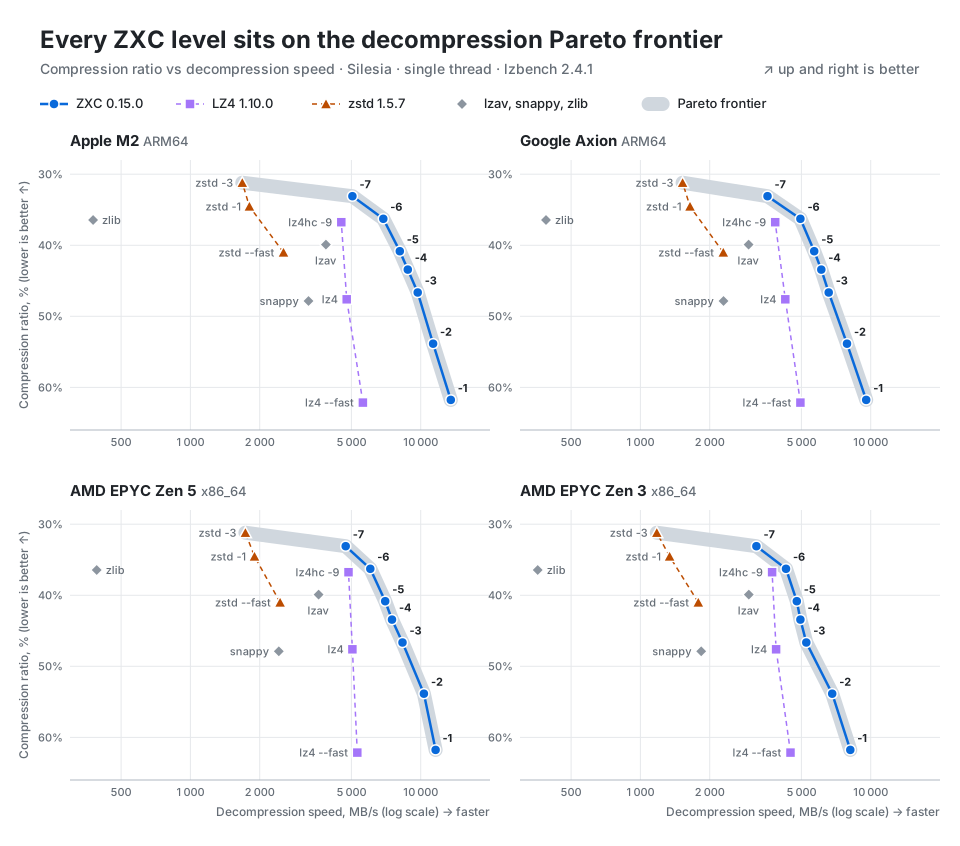
silesia.tar against single-threaded decompression speed (logarithmic scale), on two ARM64 and two x86_64 processors; up and to the right is better. From the whitepaper.The decoder's speed is paid for at compression time, and on this axis LZ4 and Zstandard are ahead. Levels 1 and 2 still compress at several hundred MB/s; levels 6 and 7 run at about 10 MB/s, slower than lz4hc -9, and are meant for data that is compressed once and read many times.
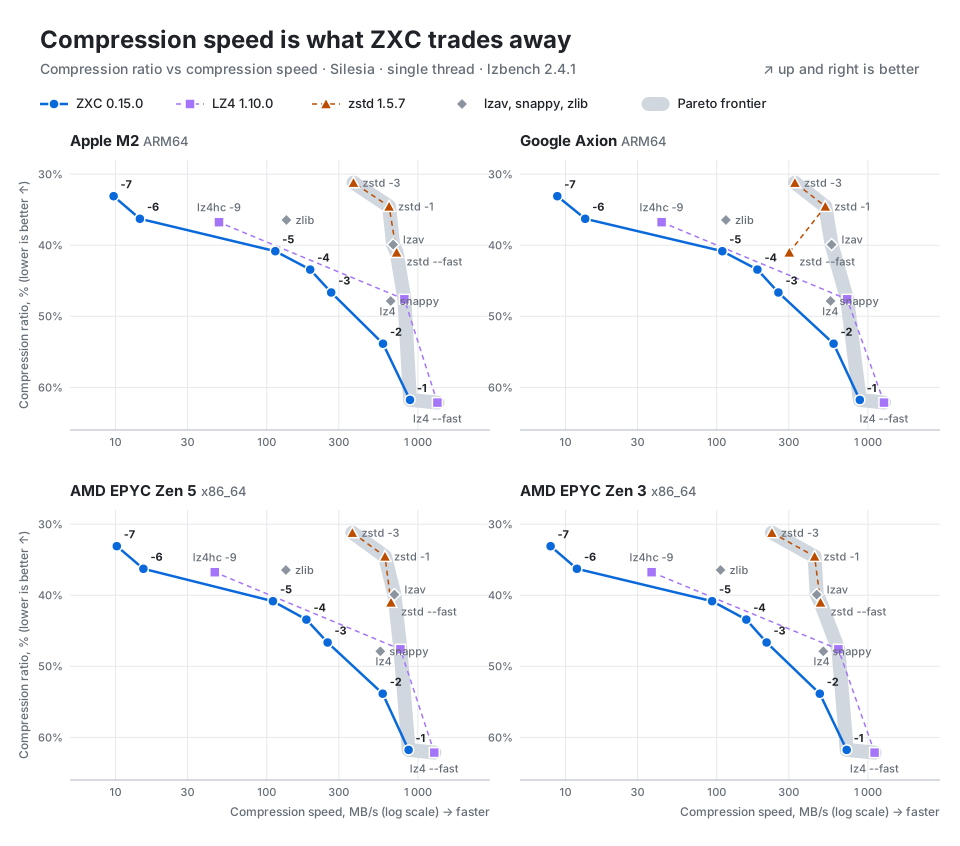
silesia.tar against single-threaded compression speed (logarithmic scale), on the same four processors; up and to the right is better. From the whitepaper.Raw decode speed leaves out half of the picture. When the data comes from a disk, a network or another core, the link limits how fast it arrives. With transfer and decoding overlapped, a reader gets min(decode speed, bandwidth / ratio) of original data per second. Below 0.4 to 0.6 GB/s the ratio decides, and Zstandard is ahead. From there until one decoding thread can no longer keep up with the link, a ZXC level delivers the most data, and no LZ4 level is ever ahead of it.
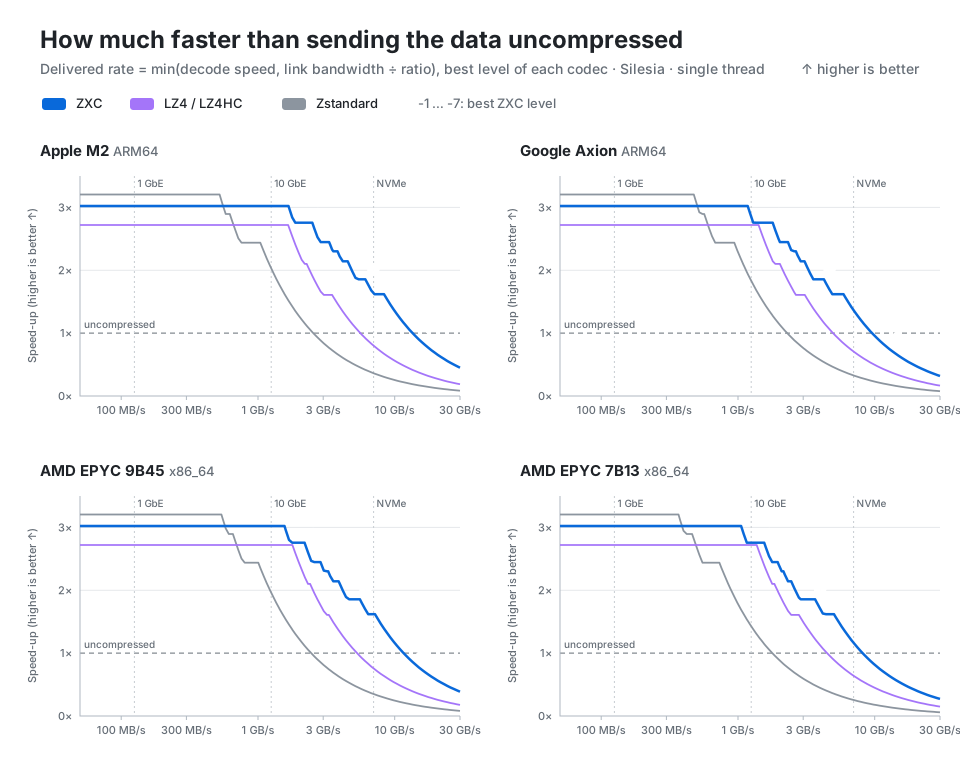
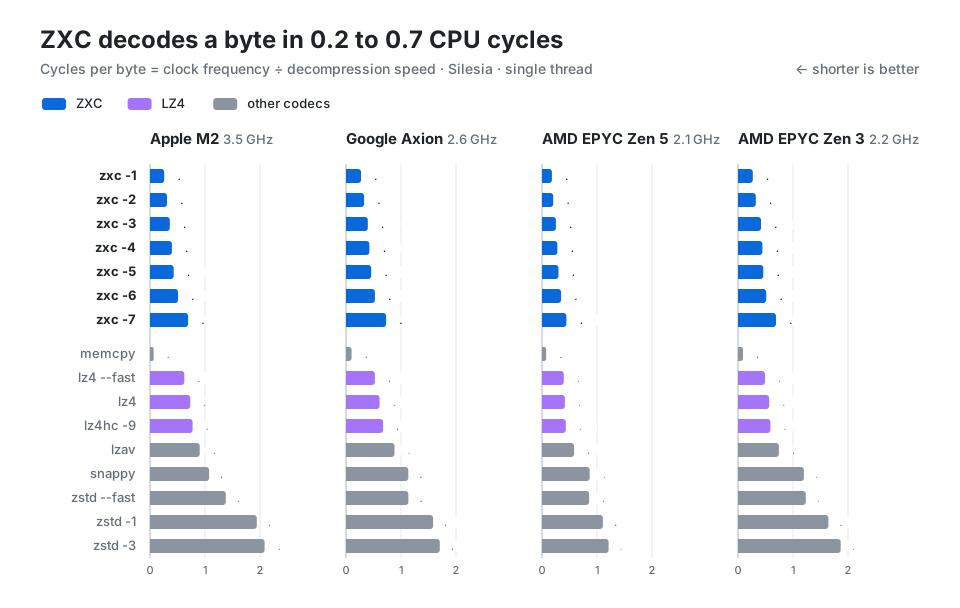
silesia.tar uncompressed, against link bandwidth (logarithmic scale), with each codec at its best level for the link and one decoding thread, on the same four processors; higher is better, and 1× is the uncompressed transfer. From the whitepaper.Dividing the clock frequency by the decompression speed gives the cost of each decompressed byte in processor cycles, which compares processors running at different frequencies. ZXC spends less than one cycle per byte at every level.
Apple M2 (ARM64)
Apple M2, macOS 26, Clang 21, -march=native. Single thread, lzbench 2.4.1, silesia.tar. Speeds in MB/s; size as a percentage of the input.
| Codec and level | Compression | Decompression | Size % |
|---|---|---|---|
| zxc -1 | 886 | 13,513 | 61.76 |
| zxc -2 | 588 | 11,320 | 53.86 |
| zxc -3 | 267 | 9,707 | 46.65 |
| zxc -4 | 194 | 8,790 | 43.43 |
| zxc -5 | 114 | 8,118 | 40.83 |
| zxc -6 | 14.5 | 6,884 | 36.28 |
| zxc -7 | 9.71 | 5,054 | 33.09 |
| lz4 | 814 | 4,774 | 47.60 |
| lz4 --fast -17 | 1,347 | 5,609 | 62.15 |
| lz4hc -9 | 48.4 | 4,522 | 36.75 |
| lzav -1 | 686 | 3,876 | 39.91 |
| snappy | 661 | 3,258 | 47.85 |
| zstd --fast --1 | 723 | 2,538 | 41.01 |
| zstd -1 | 645 | 1,803 | 34.53 |
| zstd -3 | 375 | 1,680 | 31.20 |
| zlib -1 | 135 | 378 | 36.45 |
Google Axion (ARM64)
Google Axion (Neoverse V2), GCP C4A, GCC 14.4, -march=native. Single thread, lzbench 2.4.1, silesia.tar. Speeds in MB/s; size as a percentage of the input.
| Codec and level | Compression | Decompression | Size % |
|---|---|---|---|
| zxc -1 | 885 | 9,564 | 61.76 |
| zxc -2 | 593 | 7,895 | 53.86 |
| zxc -3 | 256 | 6,571 | 46.65 |
| zxc -4 | 186 | 6,105 | 43.43 |
| zxc -5 | 109 | 5,683 | 40.83 |
| zxc -6 | 13.5 | 4,950 | 36.28 |
| zxc -7 | 8.82 | 3,563 | 33.09 |
| lz4 | 730 | 4,258 | 47.60 |
| lz4 --fast -17 | 1,278 | 4,954 | 62.15 |
| lz4hc -9 | 43.2 | 3,850 | 36.75 |
| lzav -1 | 576 | 2,949 | 39.91 |
| snappy | 566 | 2,295 | 47.85 |
| zstd --fast --1 | 302 | 2,291 | 41.01 |
| zstd -1 | 523 | 1,642 | 34.53 |
| zstd -3 | 329 | 1,525 | 31.20 |
| zlib -1 | 115 | 389 | 36.45 |
AMD EPYC 9B45 (x86_64)
AMD EPYC 9B45 (Zen 5), GCP C4D, GCC 14.4, -march=native. Single thread, lzbench 2.4.1, silesia.tar. Speeds in MB/s; size as a percentage of the input.
| Codec and level | Compression | Decompression | Size % |
|---|---|---|---|
| zxc -1 | 868 | 11,609 | 61.76 |
| zxc -2 | 585 | 10,332 | 53.86 |
| zxc -3 | 253 | 8,335 | 46.65 |
| zxc -4 | 183 | 7,508 | 43.43 |
| zxc -5 | 110 | 7,014 | 40.83 |
| zxc -6 | 15.3 | 6,045 | 36.28 |
| zxc -7 | 10.2 | 4,724 | 33.09 |
| lz4 | 766 | 5,052 | 47.60 |
| lz4 --fast -17 | 1,284 | 5,305 | 62.15 |
| lz4hc -9 | 45.4 | 4,861 | 36.75 |
| lzav -1 | 699 | 3,603 | 39.91 |
| snappy | 564 | 2,420 | 47.89 |
| zstd --fast --1 | 664 | 2,451 | 41.01 |
| zstd -1 | 606 | 1,898 | 34.53 |
| zstd -3 | 369 | 1,733 | 31.20 |
| zlib -1 | 134 | 392 | 36.45 |
AMD EPYC 7B13 (x86_64)
AMD EPYC 7B13 (Zen 3), GCP C2D, GCC 14.4, -march=native. Single thread, lzbench 2.4.1, silesia.tar. Speeds in MB/s; size as a percentage of the input.
| Codec and level | Compression | Decompression | Size % |
|---|---|---|---|
| zxc -1 | 724 | 8,155 | 61.76 |
| zxc -2 | 481 | 6,807 | 53.86 |
| zxc -3 | 214 | 5,252 | 46.65 |
| zxc -4 | 157 | 4,952 | 43.43 |
| zxc -5 | 93.3 | 4,779 | 40.83 |
| zxc -6 | 11.9 | 4,290 | 36.28 |
| zxc -7 | 7.97 | 3,188 | 33.09 |
| lz4 | 638 | 3,883 | 47.60 |
| lz4 --fast -17 | 1,108 | 4,485 | 62.15 |
| lz4hc -9 | 37.1 | 3,731 | 36.75 |
| lzav -1 | 459 | 2,955 | 39.91 |
| snappy | 507 | 1,837 | 47.89 |
| zstd --fast --1 | 486 | 1,784 | 41.01 |
| zstd -1 | 444 | 1,339 | 34.53 |
| zstd -3 | 232 | 1,178 | 31.20 |
| zlib -1 | 106 | 358 | 36.45 |
Downloading ZXC
Source and binary archives for Linux, macOS and Windows are published on the releases page. Each archive carries SLSA build provenance, which you can check with:
gh attestation verify zxc-0.15.0-linux-x86_64.tar.gz --repo hellobertrand/zxcZXC is also packaged by distributions and package managers:
- Debian and Ubuntu
sudo apt install zxc libzxc-dev- Homebrew
brew install zxc- vcpkg
vcpkg install zxc- Conan
conan install -r conancenter --requires="zxc/[*]" --build=missing- Winget
winget install hellobertrand.zxc
Which version each distribution currently ships is tracked by Repology:

To build from source you need CMake 3.14 or later and a C17 compiler (GCC, Clang or MSVC):
git clone https://github.com/hellobertrand/zxc.git
cd zxc
cmake -B build -DCMAKE_BUILD_TYPE=Release
cmake --build build --parallel
sudo cmake --install build
The installation provides CMake (find_package(zxc), target zxc::zxc_lib) and pkg-config (libzxc) files. Meson users can include ZXC as a subproject; see the integration guide.
Quick start
The zxc command reads and writes files or pipes, and can be used as a compressor by tar:
# Compress (level 3 by default), then decompress
zxc -5 assets.tar assets.tar.zxc
zxc -d assets.tar.zxc assets.tar

# Seekable archive, for random access
zxc -S big.bin big.bin.zxc

# As a compressor for tar
tar -I 'zxc -5' -cf data.tar.zxc data/

# Measure speed on your own machine
zxc -b input_file
From C, the buffer interface compresses and decompresses in one call each:
#include "zxc.h"

uint64_t bound = zxc_compress_bound(src_size);
zxc_compress_opts_t c = {
    .level            = ZXC_LEVEL_DEFAULT,
    .checksum_enabled = 1,
};
int64_t csize = zxc_compress(src, src_size, dst, bound, &c);

zxc_decompress_opts_t d = { .checksum_enabled = 1 };
int64_t n = zxc_decompress(dst, csize, out, out_cap, &d);
if (n < 0)
    fprintf(stderr, "zxc: %s\n", zxc_error_name((int)n));
See the examples for the streaming, context, seekable and dictionary interfaces, the API reference for every function, and the manual page for all command options.
Language bindings
The official bindings are maintained in the main repository and released with the library. They are published as zxc-compress, because the name zxc is taken on some registries.
| Language | Installation | Package |
|---|---|---|
| Rust | cargo add zxc-compress | crates.io |
| Python | pip install zxc-compress | PyPI |
| Node.js | npm install zxc-compress | npm |
| Go | go get github.com/hellobertrand/zxc/wrappers/go | source |
| WebAssembly | build with Emscripten | source |
Bindings maintained by others: go-zxc (Go), zxc-nim (Nim), and a Free Pascal port.
Testing
- Fuzzed around the clock by Google OSS-Fuzz, with eight harnesses covering compression, decompression, the block API, in-place decoding, streaming, seekable archives and dictionaries; they reach over 80 % of the library's lines (coverage history).
- The same harnesses run under ClusterFuzzLite on every pull request.
- AddressSanitizer, UndefinedBehaviorSanitizer and Valgrind in continuous integration; Cppcheck, the Clang Static Analyzer and CodeQL on every change; continuous security analysis of the code and its dependencies by Snyk.
- Decoder conformance vectors and byte-exact tests of the encoder output, so that the wire format cannot change by accident.
- Builds and tests across several operating systems, compilers and eight processor architectures.
- Pinned CI dependencies, tracked by the OpenSSF Scorecard.
Getting help and contributing
Questions and ideas are welcome in GitHub Discussions. Please report bugs on the issue tracker, and security problems privately as described in the security policy.
Contributions are welcome; read the contribution guidelines first. You can also support the project through GitHub Sponsors.